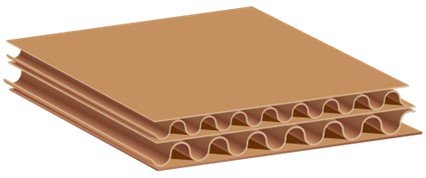
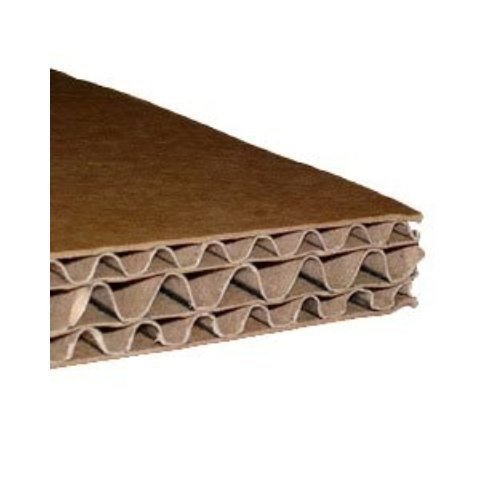
White Corrugated Boxes offer several benefits, especially when sending packages or goods:
Strong Protection: White corrugated boxes are sturdy and provide strong protection for your items during shipping or storage.
Lightweight: They are lightweight, which helps in reducing shipping costs and makes handling easier.
Customizable: You can easily customize these boxes with logos, labels, or designs, making them suitable for branding purposes.
Recyclable: They are environmentally friendly as they can be recycled, contributing to reducing environmental impact.
Cost-effective: These boxes are affordable and cost-effective compared to other packaging materials.
Versatile: They come in various sizes and shapes, suitable for packing a wide range of products from small to large.
Moisture-resistant: They offer some level of protection against moisture, keeping your products safe from damage.
Easy to label: Labels adhere well to the smooth surface of white corrugated boxes, ensuring clear identification during transit.
Stackable: They can be stacked easily, optimizing storage space and minimizing clutter.
Professional appearance: The clean white surface gives a professional look, enhancing the presentation of your products.
How to Measure a Box
Measuring a box is essential for various purposes like shipping or storage. Follow these steps to measure a box accurately:
Gather your tools: You’ll need a measuring tape or ruler that shows inches and centimeters.
Measure the length: Place the measuring tape along the longest side of the box. Note where this side ends.
Measure the width: Next, measure the shorter side of the box, perpendicular to the length measurement.
Measure the height: Stand the box upright and measure its vertical dimension from bottom to top.
Record measurements: Note down the length, width, and height measurements. Make sure to use the same units (inches or centimeters).
Calculate the volume (if needed): To find the box’s volume, use the formula: Volume = Length × Width × Height. Ensure all measurements are in the same units before calculating.
Additional measurements (optional): Consider measuring diagonal lengths or cardboard thickness if needed.
Verify accuracy: Double-check your measurements to ensure accuracy, especially for shipping or fitting purposes.