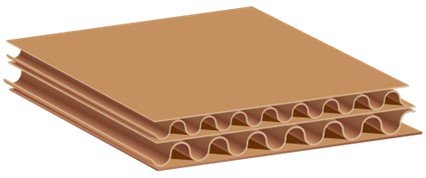
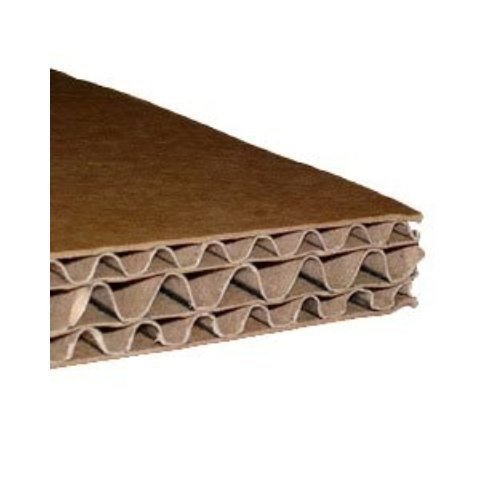
Shipping boxes offer several benefits, especially when sending packages or goods:
Protection: They shield items from damage during transit, keeping them safe from bumps and rough handling.
Convenience: Boxes come in various sizes, making it easy to pack items neatly and securely.
Versatility: They can accommodate a wide range of products, from small items to larger goods.
Cost-effectiveness: Using standardized boxes can help in managing shipping costs efficiently.
Security: Boxes can be sealed securely, ensuring contents remain intact and reducing the risk of tampering.
Branding: Customizable options allow businesses to showcase their brand with logos or labels.
Environmentally friendly: Many boxes are recyclable or made from recycled materials, supporting sustainability efforts.
How to Measure a Box
Measuring a box is essential for various purposes like shipping or storage. Follow these steps to measure a box accurately:
-
Gather your tools: You’ll need a measuring tape or ruler that shows inches and centimeters.
-
Measure the length: Place the measuring tape along the longest side of the box. Note where this side ends.
-
Measure the width: Next, measure the shorter side of the box, perpendicular to the length measurement.
-
Measure the height: Stand the box upright and measure its vertical dimension from bottom to top.
-
Record measurements: Note down the length, width, and height measurements. Make sure to use the same units (inches or centimeters).
-
Calculate the volume (if needed): To find the box’s volume, use the formula: Volume = Length × Width × Height. Ensure all measurements are in the same units before calculating.
-
Additional measurements (optional): Consider measuring diagonal lengths or cardboard thickness if needed.
-
Verify accuracy: Double-check your measurements to ensure accuracy, especially for shipping or fitting purposes.